Make a Referral

Phrenic Nerve Decompression in Texas: Restore Your Ability to Breathe Deeply
Phrenic nerve damage can make every breath feel like a struggle. Phrenic nerve decompression surgery is an advanced procedure that has helped patients regain diaphragm function, improve breathing, and restore independence after experiencing diaphragm paralysis caused by phrenic nerve damage.
What Causes Phrenic Nerve Damage?
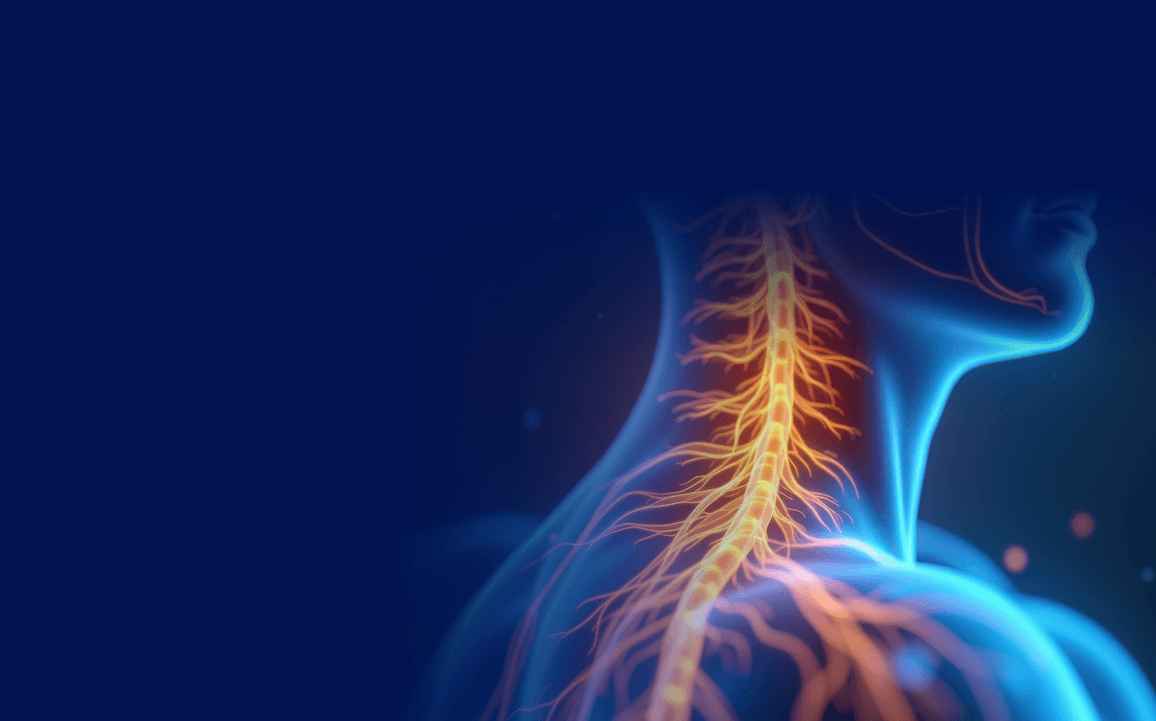
The phrenic nerve controls the diaphragm, the primary muscle responsible for breathing. When this nerve becomes compressed, stretched, or injured, it can weaken or paralyze the diaphragm, leading to chronic shortness of breath and reduced lung capacity.
Phrenic nerve damage may occur after:
- Chest or neck surgery
- Nerve compression from surrounding tissue or scarring
- Trauma to the neck or upper chest
- Viral or inflammatory conditions
Because the symptoms can be subtle at first, many patients go undiagnosed for months or even years. A specialized evaluation is critical to determine whether nerve compression is contributing to breathing difficulty.
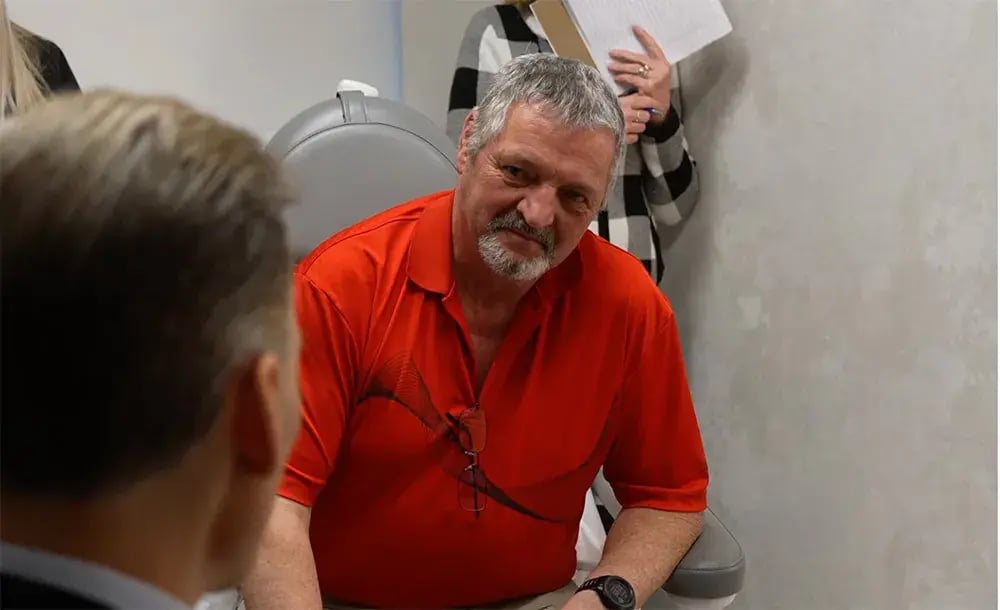
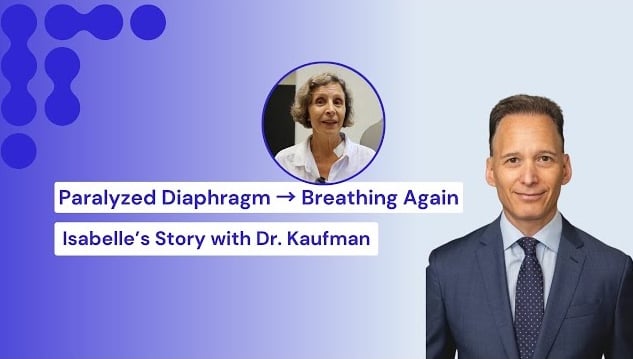
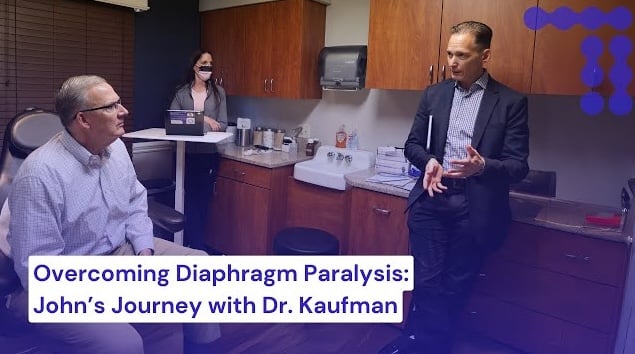
See How Our Team is Changing Lives, One Patient at a Time









Benefits of Phrenic Nerve Decompression






Am I a Candidate for Surgery?
You may be a candidate for phrenic nerve decompression if you:
- Have confirmed phrenic nerve compression
- Have persistent shortness of breath despite conservative care
- Show evidence of diaphragm weakness or paralysis
- Want to pursue advanced surgical options to restore breathing function
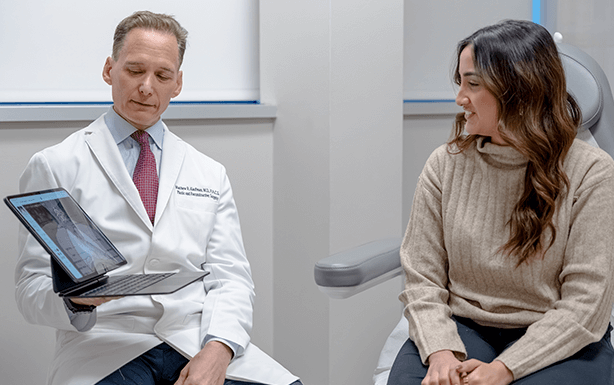
A comprehensive evaluation including imaging and nerve testing is necessary to determine candidacy.

When to Seek Medical Attention
If you are experiencing worsening shortness of breath, difficulty lying flat, or recurrent respiratory infections, it is important to seek specialized medical evaluation. Early diagnosis can improve treatment outcomes.
Why Trust The Institute of Texas?
.webp?width=1156&height=650&name=texasbanner1%20(1).webp)
Leaders in Phrenic Nerve Reconstruction
Phrenic nerve reconstruction was developed by Matthew Kaufman, MD, a pioneering surgeon at The Institute for Advanced Reconstruction in New Jersey. This world-class procedure was specifically designed to reverse diaphragm paralysis caused by phrenic nerve injury, offering hope to patients who were previously told little could be done.
Dr. Kaufman was the only known surgeon in the world performing phrenic nerve reconstruction at the time he introduced this revolutionary approach. He has since trained additional surgeons within The Institute to perform this highly specialized procedure, expanding access to patients in Texas and beyond. To date, he has completed over 800 successful diaphragm paralysis reversal surgeries, helping pioneer a new era in phrenic nerve injury treatment.
Nationally Recognized Expertise in Nerve Reconstruction
The Institute is part of a nationally recognized program known for treating some of the most complex nerve injuries. Patients from across Texas and beyond seek care here for advanced surgical solutions when standard treatment options are limited.
Multidisciplinary, Team-Based Surgical Planning
Every case is reviewed through a collaborative approach that brings together nerve surgeons, reconstructive specialists, therapists, and imaging experts. This ensures each surgical strategy is tailored to maximize functional recovery and long-term outcomes.
Advanced Microsurgical Techniques
Our surgeons use high-powered magnification and refined microsurgical instruments to precisely decompress delicate nerve structures. This meticulous approach supports optimal nerve healing and functional restoration.
Commitment to Patient-Centered Outcomes
Treatment planning focuses not just on surgical success, but on what matters most to each patient, regaining independence, reducing symptoms, and improving quality of life. From the first consultation through recovery, care is designed around individual goals and functional priorities.